

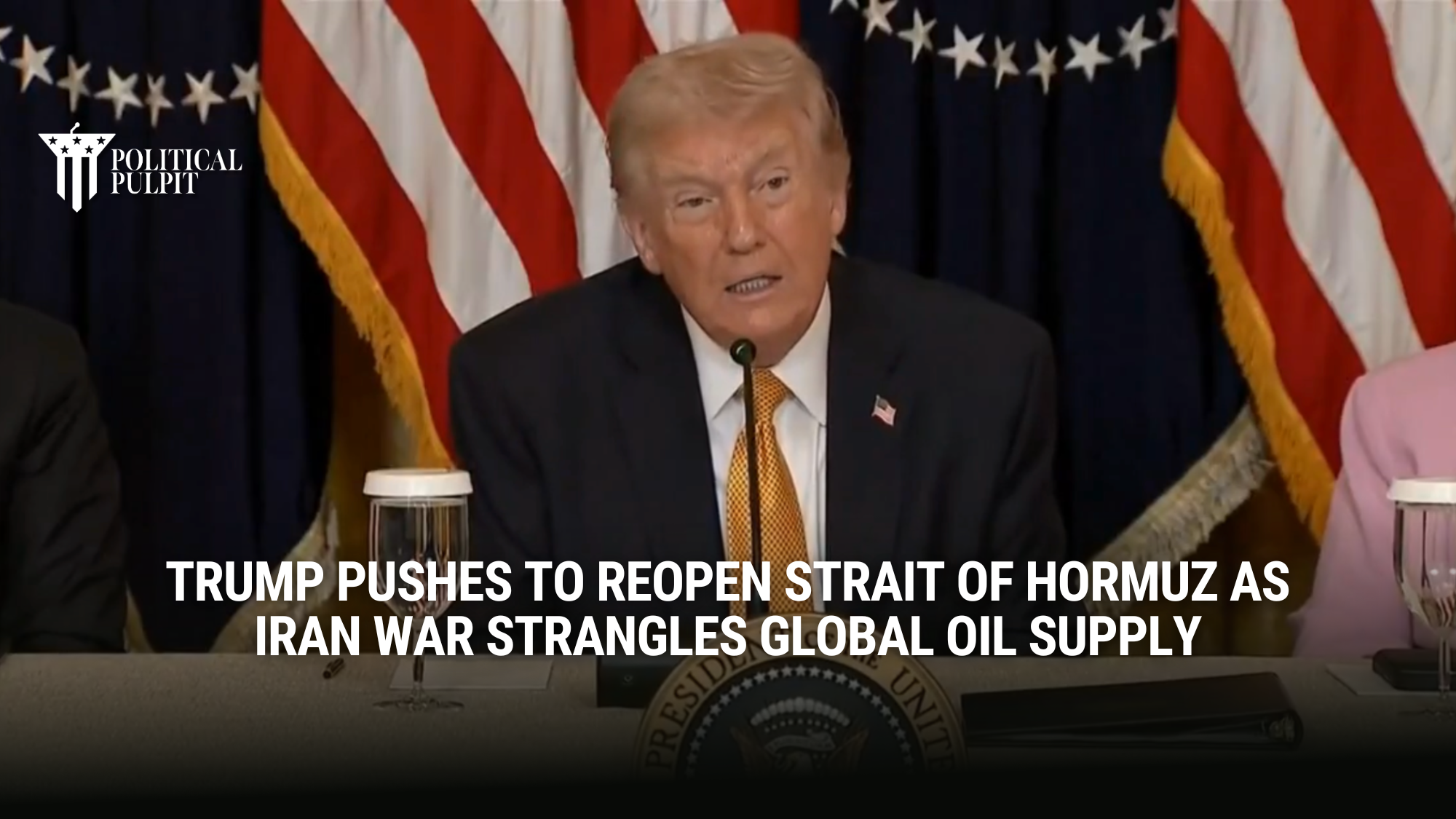
America is feeling the pressure. America feels the pressure amid global oil crisis as Trump pushes to reopen Strait of Hormuz and the Iran war strangles global oil supply.
As the war with Iran intensifies, the economic consequences are now hitting home—right at the gas pump. With average fuel prices climbing to nearly $3.79 per gallon, up more than 80 cents since the conflict began, Americans are facing the reality of a global crisis that is no longer overseas—it’s personal.
At the center of it all is one critical battleground: the Strait of Hormuz.
This narrow waterway, responsible for transporting roughly 20% of the world’s oil supply, has effectively been disrupted due to Iranian threats, attacks on shipping vessels, and ongoing military escalation.
Now, President Donald Trump is pushing aggressively to reopen the strait and restore global oil flow, warning that the longer it remains blocked, the greater the damage to the U.S. economy and global stability.
America Feels the Economic Impact
The consequences have been swift.
Fuel prices have surged across the United States, with diesel climbing above $5 per gallon in some areas and gasoline rising at one of the fastest rates in recent years.
This isn’t just about filling up your tank.
Higher fuel costs are already rippling through the economy:
- Increased prices for groceries and goods
- Rising transportation and shipping costs
- Pressure on small businesses and working families
- Growing concerns about inflation and economic slowdown
Experts warn that if the Strait of Hormuz remains closed, gas prices could climb even higher—possibly pushing toward $4 per gallon nationwide.
Trump’s Push to Reopen the Strait
President Trump has made it clear: reopening the Strait of Hormuz is a top priority.
His administration has explored multiple strategies, including:
- Deploying naval forces to escort oil tankers
- Coordinating with international allies to secure shipping lanes
- Offering guarantees and protection for energy transport vessels
Trump has even suggested taking direct control of the situation if necessary to ensure the free flow of oil—highlighting just how critical the strait is to the global economy.
But there’s a problem.
Key allies in Europe have hesitated to get involved, fearing further escalation with Iran.
This leaves the United States facing a difficult reality:
Lead the charge alone—or risk prolonged economic fallout.
A Global Crisis With Spiritual Implications
This is more than an economic story.
It’s a reminder that the systems of this world are fragile.
Scripture warns us:
“When you hear of wars and rumors of wars, do not be alarmed…” — Matthew 24:6
The shaking we are witnessing—war, economic instability, global tension—is not random.
It is a call for the church to wake up.
What Should Believers Do?
In times like these, the response of God’s people must be clear:
Pray. Prepare. Trust God.
Pray for:
- Peace in the Middle East
- Protection for American troops and global shipping routes
- Wisdom for leaders navigating economic and military decisions
- Provision for families feeling the financial strain
Prepare—not in fear, but in wisdom.
And trust that no matter how unstable the world becomes,
God’s provision never fails.
Final Word
The battle over the Strait of Hormuz is not just about oil.
It’s about power, influence, and the future of the global economy.
And as gas prices rise and tensions grow, one thing is certain:
What happens in the Middle East will not stay in the Middle East.
Subscribe to the Political Pulpit newsletter for more faith-centered reporting, and join the fight for truth, justice, and global religious freedom.
Watch our broadcasts at Watch.OSN.tv — use promo code JOSH
Support our mission at www.politicalpulpit.com/partner
The time to speak is now.
The time to act is now.
The time to pray—for provision, stability, and peace in uncertain times—is now.